



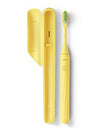


Brush for about two minutes, twice a day. That is enough time to remove most plaque, but not so long that you’re likely to irritate your gums or wear down tooth enamel. A simple way to stay on track is to split your mouth into four sections and spend 30 seconds on each.
Think gentle, steady coverage, not scrubbing. The goal is to reach every tooth surface for about 30 seconds per quarter of your mouth.
Why 2 Minutes Is the Sweet Spot
Plaque is the sticky film of bacteria that builds up on teeth during the day. Brushing removes that film before it can harden and cause cavities or gum problems. Two minutes gives you enough time to cover all the main surfaces without needing to scrub hard.
A systematic review of controlled studies found that brushing for two minutes removed significantly more plaque than brushing for one minute. That was true for manual and powered brushes.
More time is not automatically better. Another review comparing two and three minutes of brushing found only a very small extra benefit, and the authors judged the difference clinically negligible. So the goal is two minutes of thorough, gentle coverage—not just a longer timer.
The 30-Second Quadrant Method
A practical way to hit two minutes is to divide your mouth into four sections:
- Upper right
- Upper left
- Lower right
- Lower left
Spend 30 seconds on each section. This matches common guidance to brush for about two minutes, with 30 seconds per quadrant. A review on brushing technique and tooth wear describes this same approach.
Within each section, clean three kinds of surfaces:
- Outside surfaces that face your cheek or lips
- Inside surfaces that face your tongue or the roof of your mouth
- Chewing surfaces where food gets ground
Pay special attention to the hard-to-reach back molars. They tend to collect plaque along the gumline. The quadrant method just gives you a pace so you do not rush. Move steadily from one section to the next.
Twice a Day: Timing That Protects Your Teeth
The standard routine is to brush twice a day for two minutes. An international panel of dental experts also advised twice-daily brushing for two minutes with a systematic pattern. That guidance is summarized here.
The before-bed brush is the most important one. During the day, saliva helps dilute acids and wash away food particles. At night, that natural protection slows down. Brushing before bed removes the day’s plaque and leaves fluoride on your teeth when they need it most.
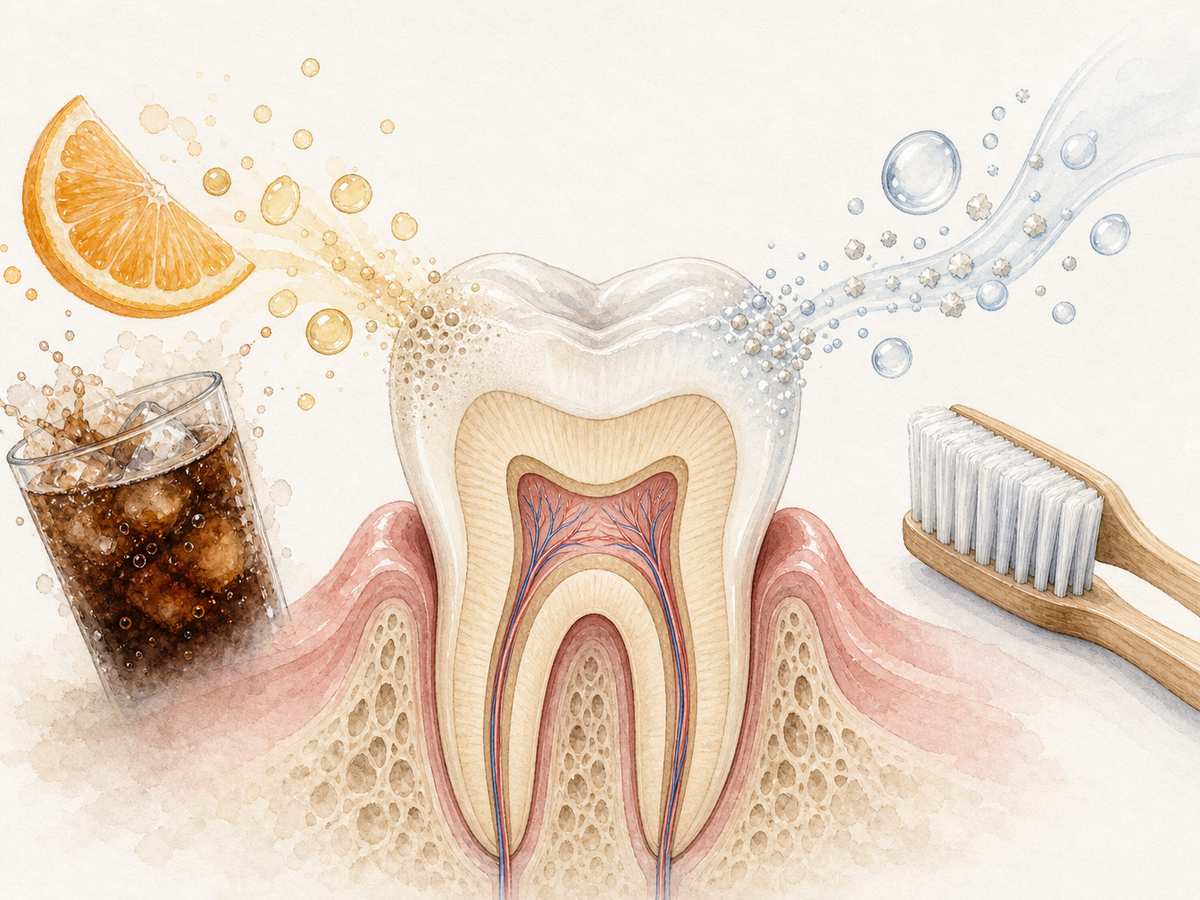
The breakfast question is common: brush before eating, or wait after acidic foods and drinks. Acidic foods and drinks—like citrus, soda, coffee, or juice—can temporarily weaken the outer enamel. Brushing immediately after can rub that softened surface.
Advice on the exact wait time varies. Many dentists suggest waiting about 30 minutes after acidic foods or drinks. Some guidance recommends waiting up to an hour after a strongly acidic meal or drink. If that feels confusing, brushing before breakfast is a simple workaround. Some clinical advice supports an hour-long wait, while other dental erosion advice also warns against brushing too soon. Some experts also note that using fluoride toothpaste matters more than getting the exact wait time perfect, so do not skip brushing altogether. A consensus report on tooth wear discusses this point.
Make the Timer Work for You
Most people rush. A timer removes the guesswork.
Try one of these:
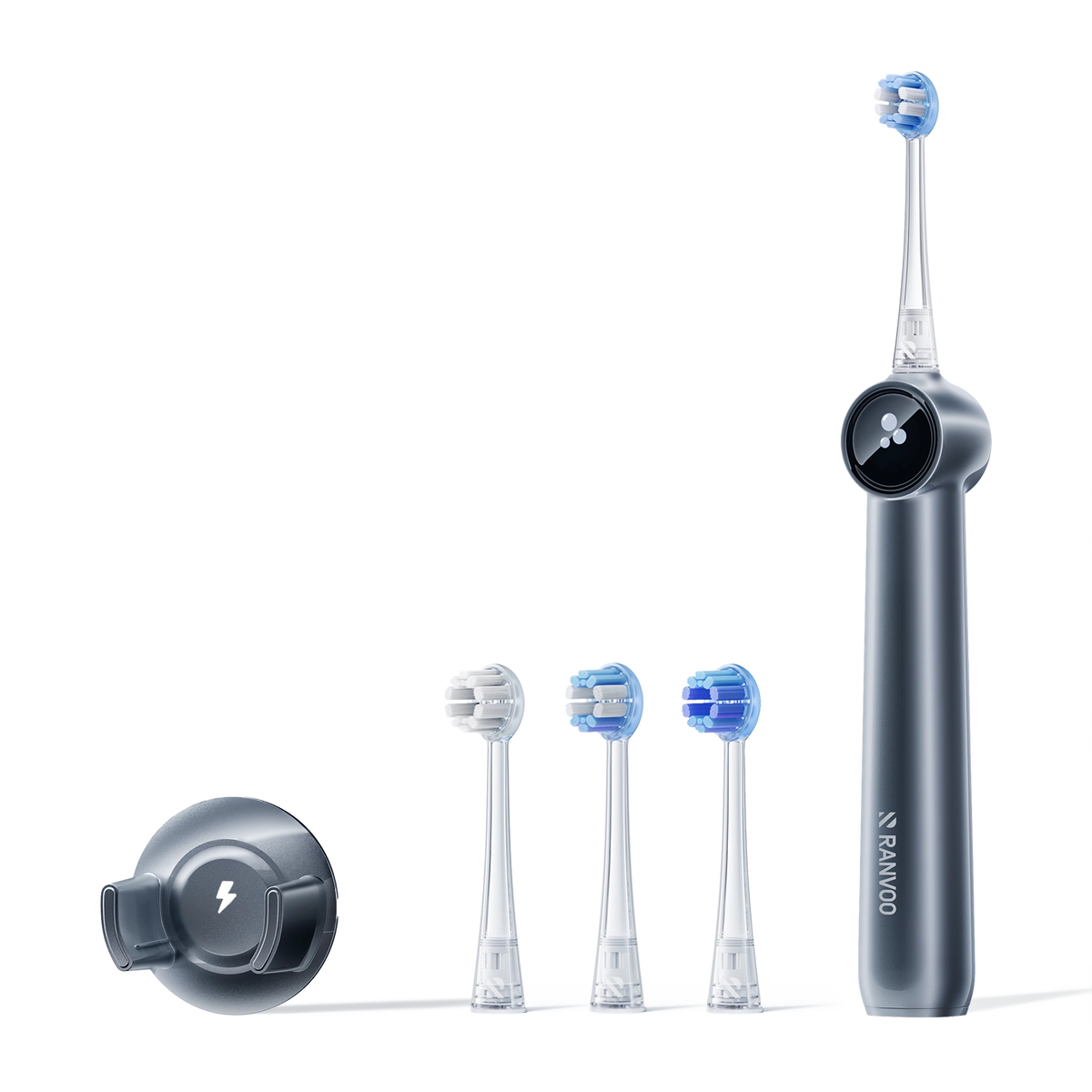
- An electric toothbrush with a built-in timer that pulses or beeps at two minutes
- A phone alarm set for two minutes
- A two-minute song you play while brushing
- A small sand timer kept by the sink
Many electric toothbrushes also buzz every 30 seconds, which lines up neatly with the quadrant method. A randomized clinical trial using a two-minute music timer app found improved oral hygiene in young people with braces.
You don’t need to count seconds. Let the timer do the work, and focus on reaching all the surfaces.
When to Brush Longer or Gentler
Some situations call for extra care:
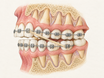
- Braces and clear aligners: brackets and attachments create more places for plaque to hide. You may need more time, special brushes, or a different routine. Individualized support often helps people with fixed braces.
- Gum disease: tender or swollen gums may need a gentler touch and careful cleaning at the gumline.
- Recent dental work: after a filling, crown, or gum treatment, your dentist may ask you to brush differently or avoid a certain area for a short time.
Longer brushing is not automatically better. The most important thing is to use the right technique and follow your dentist’s specific instructions. If you have a special situation, ask what routine is best for you.
Warning Signs You’re Overbrushing
Brushing too hard—especially with a hard or medium brush or a scrubbing motion—can contribute to receding gums, sensitive teeth, and worn enamel. Brushing longer than needed may add to that risk, but pressure and technique usually matter more. This review explains how overaggressive brushing can contribute to these problems.
| Warning sign | What it may mean | What to try |
|---|---|---|
| Gums pulling back | Possible receding gums | Switch to a soft brush and light pressure; see a dentist |
| Sensitive teeth | Possible enamel wear or exposed roots | Use a soft brush and fluoride toothpaste |
| Gums that bleed | Could be irritation or gum disease | Brush and floss gently; if it continues, see a dentist |
| Worn enamel | Possible overbrushing or abrasive paste | Use a soft brush and low-abrasive toothpaste |
Using a soft-bristle toothbrush and light pressure—like holding a pencil—can help. If any of these signs continue, check with a dentist rather than trying to diagnose it yourself. Bleeding gums can also be a sign of gum disease, not just overbrushing.
A Simple Routine That Sticks
Here’s a no-fuss daily plan:
- Use a soft-bristle toothbrush.
- Use toothpaste with fluoride.
- Brush for two minutes.
- Brush twice a day, including before bed.
- Floss or clean between your teeth once daily.
- Use a timer until two minutes feels automatic.
Start tonight. Pick a timer, play a two-minute song, or let your electric brush beep. You’re not scrubbing a pan. You’re gently cleaning every surface so your teeth and gums can stay healthy.
 Best Overall
 Best Value
 Best for Sensitive Teeth
This article has been reviewed by an oral health professional for accuracy. It is intended to provide general educational information and should not be used as a substitute for personalized medical advice, diagnosis, or treatment. If you have questions or concerns about your oral health, please consult a dentist, physician, or other qualified healthcare provider.