





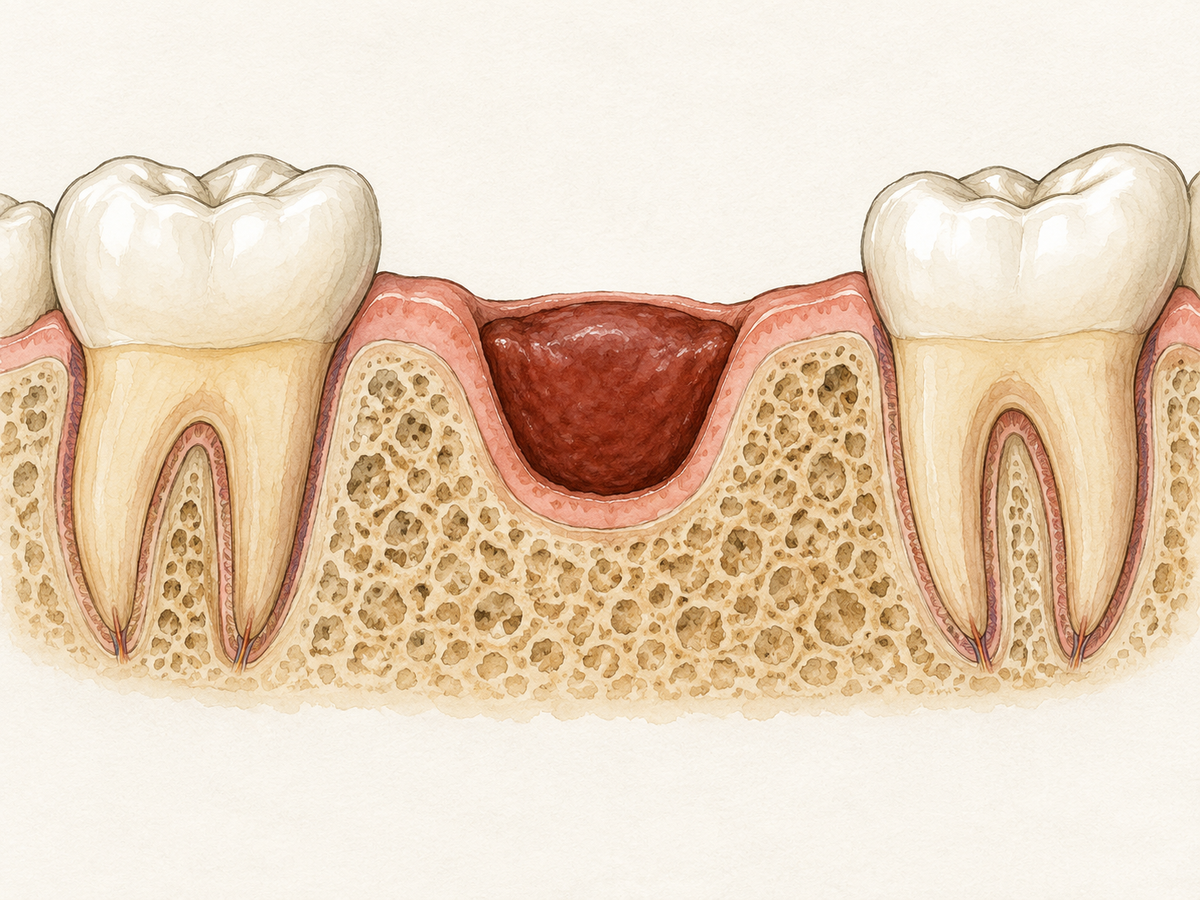
After a tooth extraction, the safest answer is to skip alcohol for at least the first 72 hours, and ideally wait 7–10 days or until your dentist confirms the socket has closed. Alcohol can disturb the blood clot that protects the healing area, which raises the risk of bleeding, pain, and a dry socket. Your timeline may be shorter or longer depending on whether the removal was simple or surgical and your overall health, so follow your dentist’s instructions first.
If you already drank, stop now. One drink is not automatically a disaster, but you should protect the socket from further irritation and watch for warning signs.
How Long to Wait
After a tooth is removed, your mouth needs time to form a stable protective cover over the open socket. The first 72 hours are the highest-risk period, so avoid alcohol during that window.
How long you should wait after that depends on a few things:
- Simple extraction means a routine tooth removal with minimal trauma. Healing may be quicker, but the socket is still fragile for several days.
- Surgical extraction means the tooth was harder to remove, often with incisions, bone work, or stitches. Healing usually takes longer.
- Personal health factors also matter. Smoking, diabetes, bleeding problems, or a weakened immune system can slow recovery.
Normal recovery after tooth removal follows a rough timeline: pain usually lessens within about 7 days, and the soft tissue continues to close over the following weeks, according to a review of post-extraction healing. That is why many dentists prefer you wait until the site is well closed, often around 7–10 days, before trying alcohol.
Clinical guidance on preventing dry socket also lists alcohol as something to avoid after extraction because it may cause the protective clot to break down too early. Source Your dentist’s specific advice overrides this general timeline.
Why It Harms Healing
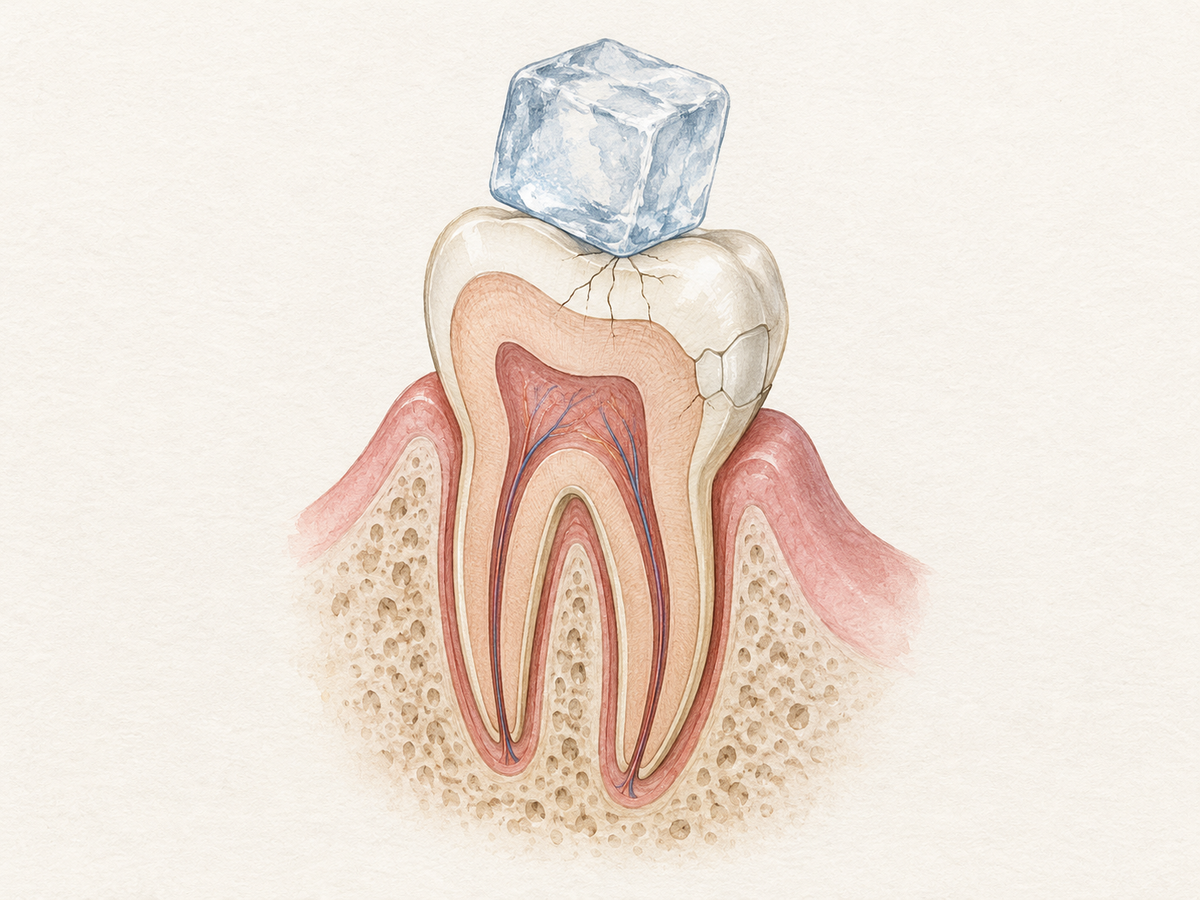
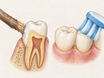
When a tooth is removed, blood fills the socket and forms a protective blood clot. Think of it as a natural scab that covers the bone and nerve endings underneath.
If that clot is lost too early, the bone can become exposed. That can lead to a dry socket, a painful healing problem that often starts 1–3 days after an extraction. Dry socket is common, and the pain may be hard to control with ordinary pain medicine. Source
Alcohol can work against this healing process. A study of alveolitis after tooth extraction found that patients who used alcohol after extraction had high pain levels, and the researchers suggested alcohol may disturb wound healing. Alcohol can also weaken the immune response and make normal blood clotting harder, which may slow recovery and increase infection risk, according to a review of post-extraction complications.
Even one drink may be risky in the first days because the socket is so fragile. The problem is not just the alcohol itself. Drinking often involves straws, swishing, or repeated swallowing, which can put pressure on the clot.
Check Your Medications
The socket is not the only reason to avoid alcohol. Many people leave the dental office with medicine instructions that alcohol can interfere with.
Check your medicine instructions or call your dentist or pharmacist if you are taking:
- Pain relievers such as acetaminophen, ibuprofen, or naproxen
- Antibiotics, which are infection-fighting medicines
- Sedatives, which are calming medicines used during or after some procedures
- Opioids, which are strong prescription pain medicines
Do not use opioids at the same time as alcohol. Dental pain guidance warns that mixing opioids with alcohol, sleep aids, or other sedating medicines can be dangerous. Alcohol can increase and prolong the breathing-slowing effects of opioids, and patients using opioids should avoid alcohol, according to prescribing guidance.
If you had sedation for the procedure, alcohol can add to lingering drowsiness and slow your reactions. Even if your socket feels fine, the medication interaction may not be. When in doubt, ask before drinking.
If You Already Drank
Try not to panic. One drink shortly after an extraction is not automatically a disaster, but it does mean you should stop drinking now.
Give the socket a break:
- Do not drink any more alcohol until your dentist says it is safe.
- Avoid smoking, straws, forceful spitting, and swishing.
- Follow your dentist’s care instructions for rinsing and eating.
- Take prescribed pain medicine as directed, not with alcohol.
- Keep the area calm and avoid poking it with your tongue or fingers.
Watch for bleeding, worsening pain, swelling, a bad taste, or fever. If any of these appear, call your dentist. The next section explains what counts as a true warning sign.
Warning Signs
Some soreness and mild swelling are normal after a tooth removal. But certain changes deserve a prompt call.
Use this quick comparison to sort expected recovery from red flags:
| Expected recovery | Warning sign |
|---|---|
| Mild soreness that gets better day by day | Pain that starts or gets worse after day 2–3 |
| Slight oozing that stops with light pressure | Bleeding that does not stop or comes back heavily |
| Mild swelling that goes down after a few days | Swelling that grows or returns |
| No fever | Fever |
| A blood clot covering the socket | The clot is gone and you can see open socket or bone |
| Mild mouth odor that improves with care | Strong bad odor or bad taste that does not go away |
Dry socket often shows up as pain that begins 1–3 days after the tooth was removed and may not respond well to ordinary pain medicine. Source If you have severe pain 72 hours after the procedure, a health professional should check for infection or another complication. Source
These signs can point to a dry socket or an infection. Do not wait it out if you have one or more red flags. A prompt call is safer than waiting through a painful weekend.
Safer Choices & Resuming
You can get through the first week without alcohol while still taking care of pain, hydration, and social plans.
Stay hydrated without alcohol. Water, ice chips, and cool or room-temperature drinks are easier on a healing mouth. Avoid using a straw.
Manage pain without alcohol. Use the pain medicine your dentist recommended. For many people, that is an NSAID such as ibuprofen, with or without acetaminophen, according to clinical guidance on acute dental pain. Rest, eat soft foods, and use cold compresses if your dentist suggests them. Alcohol is not a pain treatment and can make things worse.
Socialize without drinking. Order a nonalcoholic drink, bring a water bottle, or focus on food and company. Let friends know you are healing so there is less pressure to drink.
Resume alcohol only after your dentist clears you. When you do, start slowly with a small amount. If you notice pain, bleeding, swelling, or a bad taste returning, stop alcohol and give the site more time. If the symptoms do not settle, call your dentist.
The safest path is simple: protect the clot first, check your medicines, and wait for your dentist’s go-ahead before having that drink.
 Best Overall
 Best Value
 Best for Sensitive Teeth
This article has been reviewed by an oral health professional for accuracy. It is intended to provide general educational information and should not be used as a substitute for personalized medical advice, diagnosis, or treatment. If you have questions or concerns about your oral health, please consult a dentist, physician, or other qualified healthcare provider.