


Occasional acidic fruit is not a dental emergency. The real concern is how often and how long your teeth sit in acid. You can usually protect your teeth by keeping acidic foods and drinks mostly to meals, rinsing with water afterward, and brushing twice a day with fluoride toothpaste.
The goal is not to cut out healthy fruit entirely. It is to give your teeth fewer long acid baths.
How Acid Softens Enamel
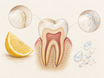
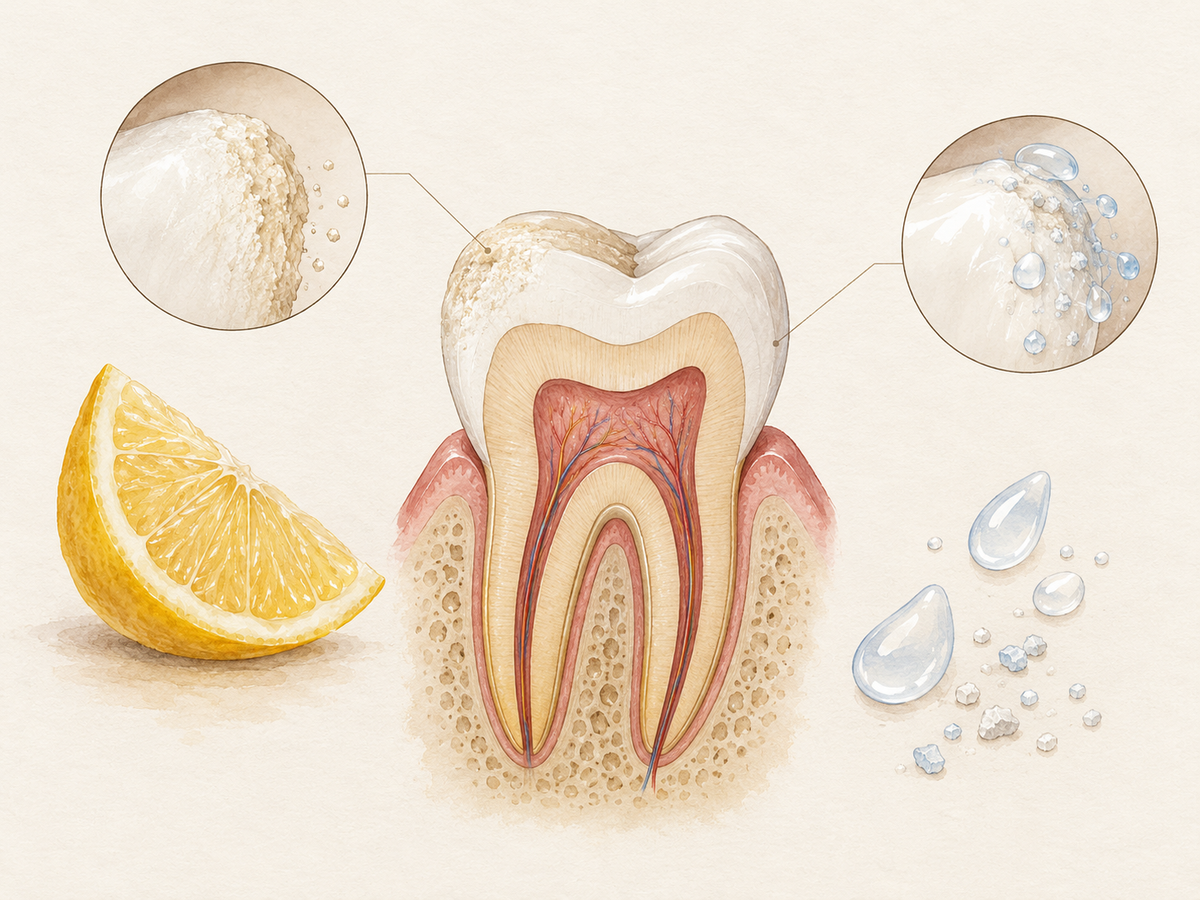
Your teeth are covered by enamel, the hard outer layer that protects the softer inside. Acid from foods and drinks can lower the acidity level in your mouth. When that happens, minerals start to leave the enamel. This mineral loss is called demineralization.
Lower oral acidity can promote demineralization, according to research on saliva and tooth wear.
Your spit, or saliva, is the natural recovery system. It helps wash away acid, neutralize it, and return minerals to the enamel. That repair process is called remineralization. A systematic review on saliva and dental erosion explains that saliva protects teeth by removing acids and providing minerals for repair.
An occasional orange or lemon wedge is usually manageable because saliva can catch up. The problem is repeated or long-lasting acid exposure, which can tip the balance toward softening and wear.
Which Fruits and Drinks Matter
Citrus fruits such as lemons, limes, grapefruit, and oranges tend to be more acidic. Drinks made with lemon, lime, or grapefruit may be more erosive than those made with apple or peach, according to an older laboratory study of fruit juices and teeth.
Packaged fruit juices can also be acidic. In one laboratory analysis, apple juice caused notable enamel loss. Sports drinks showed the greatest demineralizing effect in another study of acidic beverages.
Fizzy drinks add another layer. A systematic review of dietary acids in adolescents found that carbonated beverages were among the most consistent risk factors for dental erosion.
Whole fruit is different from juice. You usually eat whole fruit in one sitting rather than sipping it over hours, and chewing also stimulates saliva. Soda and sweetened juice can be a double hit because they may combine acid, sugar, and fizz.
This does not mean you need to avoid all acidic fruit. Fruit is part of a healthy diet. The key is timing and habits.
Frequency Beats Quantity
How often your teeth meet acid often matters more than the total amount you consume. If you sip one large lemonade over four hours, you are giving your enamel a long acid bath.
A review on diet and tooth wear reported that people who drank acidic drinks twice a day between meals were far more likely to have moderate or severe tooth wear than those who drank them with meals.
Some habits make the acid exposure worse:
- Slow sipping over many hours
- Swishing or holding a drink in your mouth before swallowing
- Drinking acidic beverages right before bed
- Having a dry mouth, which reduces saliva’s protection
Saliva flow naturally drops during sleep, so bedtime acidic drinks can be especially risky. Low saliva flow is also linked to more tooth wear in research on salivary characteristics.
Keeping acidic foods and drinks mostly to mealtimes is one of the simplest changes you can make. Meals tend to trigger a good flow of saliva, which helps bring the mouth back to a neutral state.
Signs Your Enamel Is Wearing Down
Enamel erosion is the wearing away of the tooth’s hard outer layer by acids. Early clues can be subtle:
- Teeth feel sensitive to hot, cold, sweet, or sour things
- Enamel looks dull, chalky, or frosty
- Front tooth edges look slightly see-through or translucent
- Teeth look more yellow as the softer layer underneath shows through
- The tooth surface feels rough or uneven
Clinical guidance describes early erosion as a loss of enamel texture, a silky glossy appearance, or a dull surface, according to a review on diagnosing dental erosion. Ongoing sensitivity is another sign dentists look for.
A single acidic meal will not cause visible erosion. But if you notice these changes getting worse over months, it is worth tracking them and mentioning them at your next dental check.
Prevention That Fits Real Life
Small habits help more than a perfect diet.
- Pair acidic fruit with meals instead of eating it as a stand-alone snack.
- Rinse with plain water after acidic food or drink.
- Use a straw for acidic drinks, placed toward the back of the mouth, to reduce contact with teeth.
- Finish with milk, plain yogurt, or cheese when possible. Calcium may help protect enamel. A review on calcium and tooth wear found that adding calcium to acidic drinks reduced enamel loss.
- Chew sugar-free gum after eating to boost saliva.
- Brush twice a day with fluoride toothpaste. Fluoride strengthens enamel and makes it more resistant to acid.
Practical guidance for managing tooth erosion recommends avoiding grazing on acidic foods, not holding or swishing acidic drinks, and using fluoride toothpaste regularly.
You do not need to eliminate strawberries, oranges, or grapefruit. A balanced diet still matters.
After-Acid Care
Right after acidic food or drink, enamel may be temporarily softened. Brushing immediately can rub that weakened surface, so it is wise to wait a little.
Rinse with water, then wait about 30 minutes before brushing. Use a soft toothbrush and fluoride toothpaste. This gives saliva time to begin buffering the acid and returning minerals to the enamel surface.
Guidance on managing tooth erosion advises against brushing immediately after acidic foods or drinks.
Recent evidence also suggests that brushing with fluoride toothpaste soon after acid is unlikely to greatly increase tooth wear for most people, according to a scoping review on toothbrushing timing. So if you already brushed right away, do not panic. Rinsing and waiting remains a safe, simple habit.
Mistakes That Make It Worse
A few common habits can make acid-related wear worse. Each has a simple fix.
- Brushing right after acid. Fix: rinse with water and wait about 30 minutes.
- Sipping acidic drinks all day. Fix: finish them with a meal and use plain water between sips.
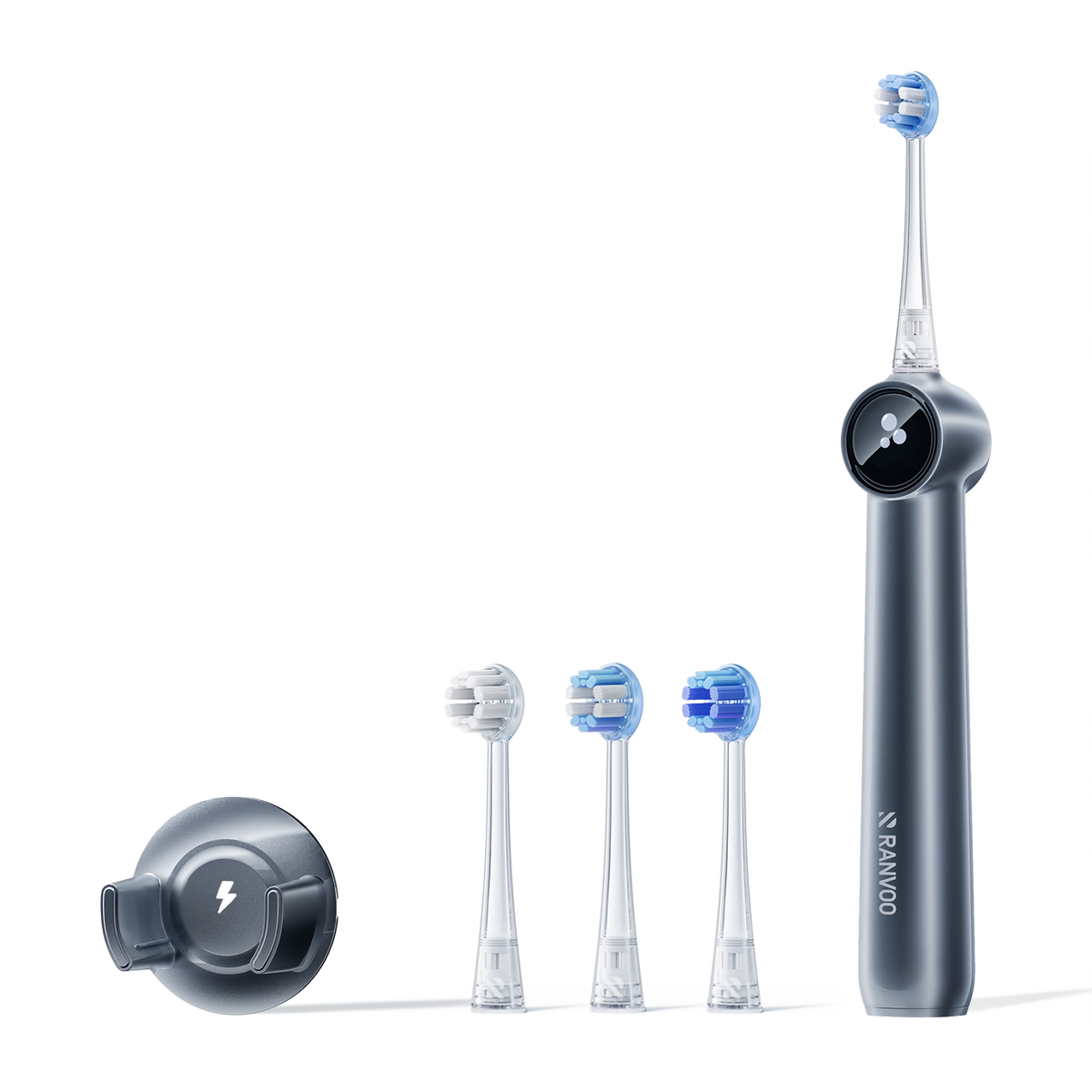
- Brushing hard with a hard toothbrush. Fix: use a soft brush and light pressure.
- Relying on whitening products. Fix: if enamel is already worn, ask a dentist before whitening.
- Ignoring dry mouth. Fix: sip plain water, chew sugar-free gum, and talk to your doctor or dentist if dry mouth is constant.
These are simple adjustments, not reasons to feel guilty.
When to See a Dentist
See a dentist if you have ongoing tooth sensitivity, visible loss of tooth surface, cracks, or a spot you suspect may be a cavity. These symptoms can have more than one cause, so a professional exam is the best way to sort it out.
A dentist can assess enamel erosion and tell it apart from other kinds of tooth wear, according to a consensus report on diagnosis and management. They may recommend fluoride varnish, a higher-fluoride toothpaste, or other protective steps.
Enamel cannot grow back, but it can often be managed and slowed when caught early. If something feels off, get it checked.
 Best Overall
 Best Value
 Best for Sensitive Teeth
This article has been reviewed by an oral health professional for accuracy. It is intended to provide general educational information and should not be used as a substitute for personalized medical advice, diagnosis, or treatment. If you have questions or concerns about your oral health, please consult a dentist, physician, or other qualified healthcare provider.