








Most small cuts on the gums heal on their own with simple care. Start with a gentle warm saltwater rinse, then press a clean piece of gauze or a clean cloth against the cut for 10–15 minutes. If the bleeding stops and the pain is mild, you can usually manage it at home. See a dentist or doctor if the cut is deep, will not stop bleeding, or starts to show signs of infection.
Safety rule: If bleeding continues after 10–15 minutes of firm pressure, or you develop spreading redness, increasing swelling, pus, fever, or trouble breathing, get professional care right away.
Common Causes and Risk Factors
A cut on the gum, also called a gum laceration, is a split or scrape in the soft tissue around the teeth. Most gum cuts are shallow and limited to the surface.
Everyday triggers include:
- hard or sharp foods such as chips, crusty bread, or popcorn
- brushing too hard or using a stiff toothbrush
- floss snapping against the gum
- accidentally biting the gum while eating
- recent dental work or a dental appliance rubbing the area
Brushing with too much force or with medium or hard bristles can scrape the delicate gum tissue. Dental experts note that harder bristles are more likely to cause small gum scrapes than soft, rounded bristles, according to research on toothbrush safety. Floss that snaps or is forced too hard can also nick the gum, as described in a review of gum injuries.
If the cut came from a fall, sports impact, or a fight, treat it with extra caution. Those injuries can go deeper than they look and may leave tooth fragments, glass, or grit in the tissue, according to guidance on dental trauma.
First Aid: Stop Bleeding and Clean the Cut
- Rinse gently. Use a mild warm saltwater rinse. Swish it softly and spit. This cleans the area without scrubbing.
- Look for anything stuck. If you can see a small piece of food, you may be able to rinse it away. If an object is lodged in the gum, do not dig at it. Leave it in place and get help.
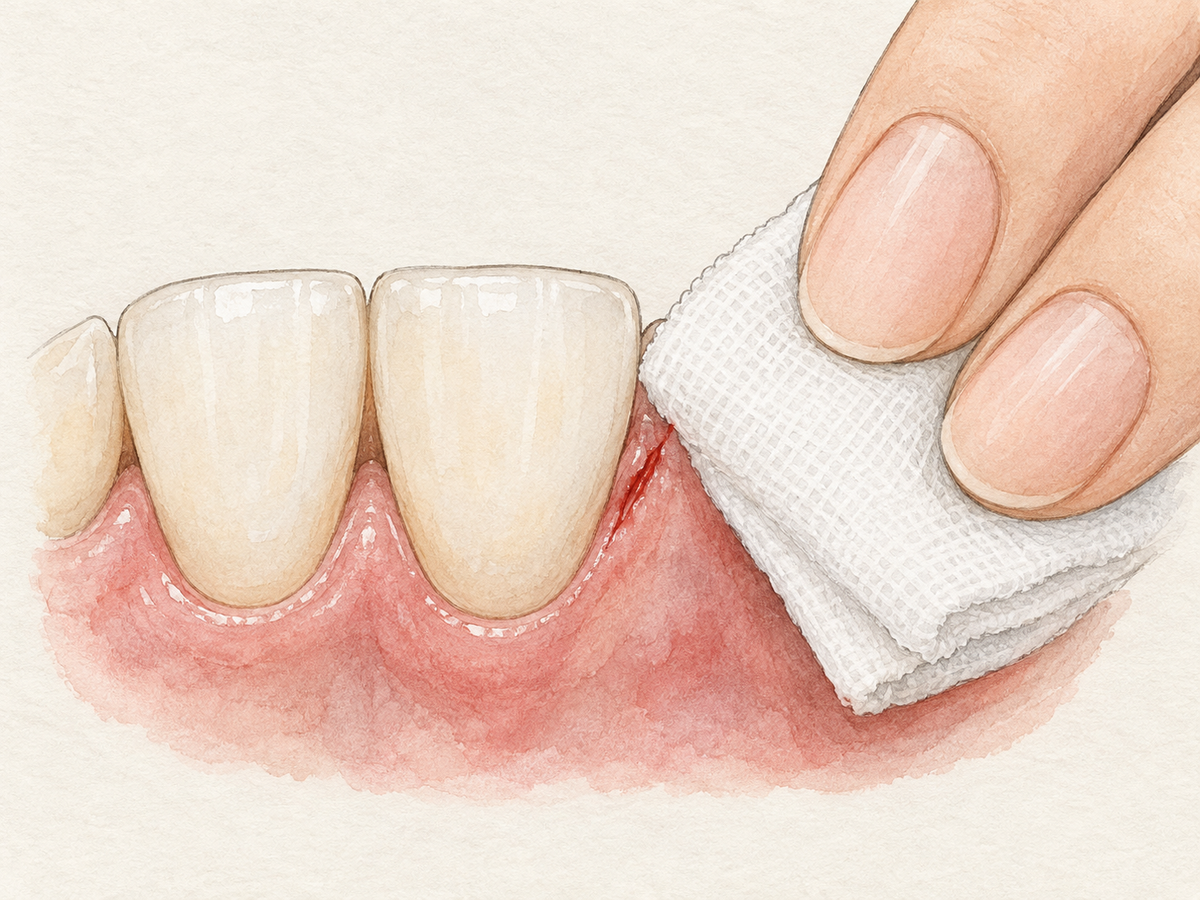
- Apply pressure. Fold clean gauze or a clean cloth, place it against the cut, and apply firm, continuous pressure for 10–15 minutes. You can bite gently on the gauze to hold it in place. Firm pressure is a standard first step for oral bleeding, according to dental emergency guidance.
- Leave the gauze alone. Do not lift it to check every minute. Lifting can disturb the blood clot that is forming to seal the cut.
Minor mouth bleeding can look dramatic because blood mixes with saliva. This can make the amount of blood seem larger than it really is, which often increases anxiety, according to an expert consensus on oral bleeding. Try to stay calm. Simple pressure controls most minor mouth bleeding, and it is usually enough for many people.
Home Care for Faster Healing
Once the bleeding has stopped, the goal is to keep the area clean and let the gum tissue repair itself.
- Rinse with warm salt water two to three times daily. Saltwater rinses are low-cost and gentle. In one clinical study after minor gum surgery, saltwater worked as well as a medicated rinse for reducing inflammation, according to evidence from periodontics.
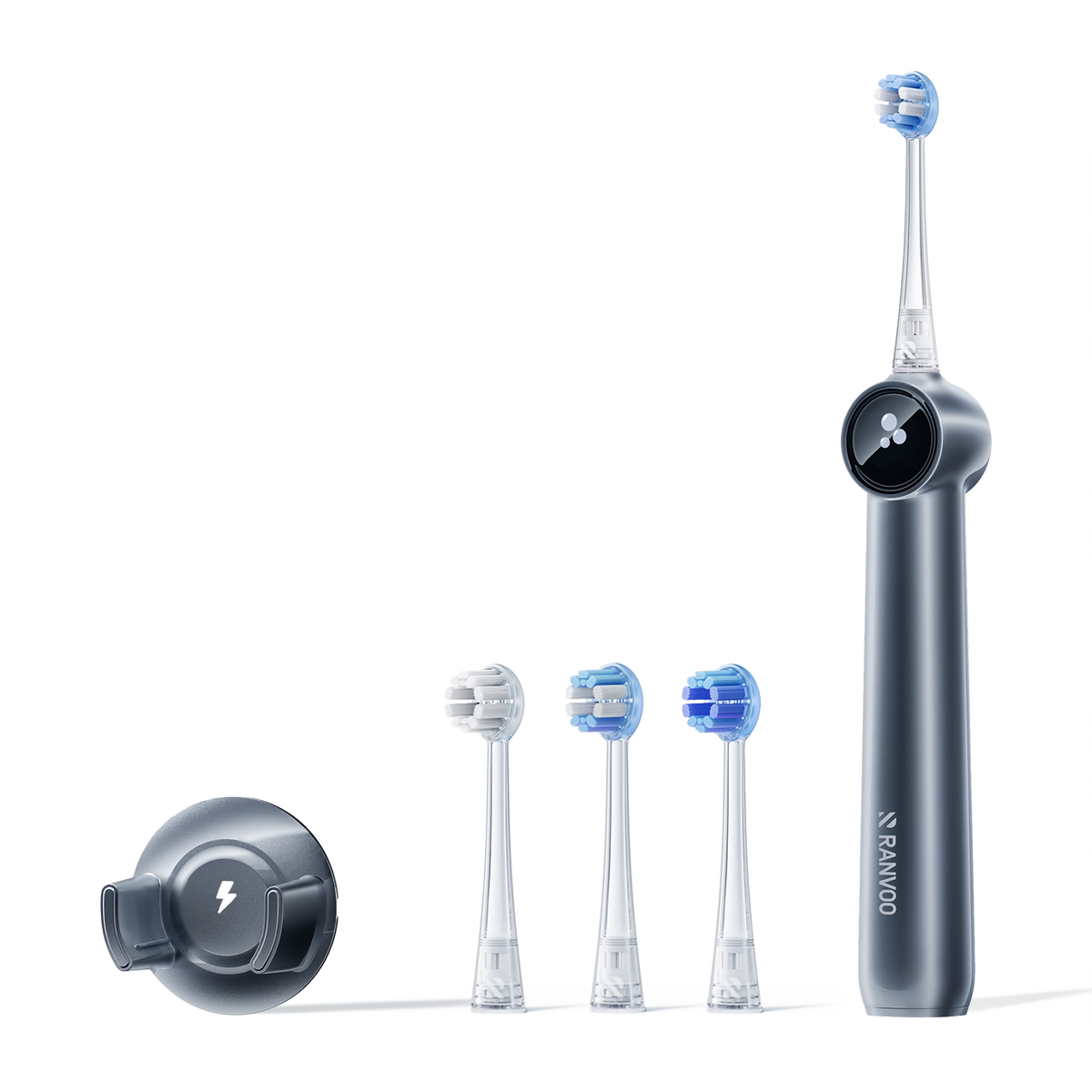
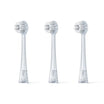
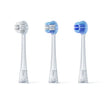
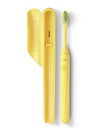
- Brush softly around the cut. Use a soft toothbrush and small, gentle motions. Avoid scrubbing the area. Soft rounded bristles are less likely to reopen the cut or cause new scrapes.
- Eat soft, cool foods for a few days. Avoid hot, spicy, crunchy, or acidic foods that can sting or scrape the healing tissue.
- Use over-the-counter pain relief if needed. Medicines such as acetaminophen or ibuprofen can reduce soreness. Follow the label directions and ask a pharmacist if you are unsure.
What to Avoid While It Heals
Some habits can slow healing or restart bleeding:
- Smoking or tobacco use. Smoking has been linked to slower wound healing and a higher infection risk, according to a review of oral surgery healing.
- Alcohol-containing mouthwash. It can sting and dry the raw area. Warm saltwater is a gentler option.
- Vigorous rinsing or spitting. Forceful rinsing can knock the protective blood clot loose.
- Picking at the cut with your tongue, finger, or toothbrush.
- Hard, crunchy, or sharp foods such as chips, nuts, seeds, popcorn, and crusty bread.
- Hot drinks and spicy foods.
- Do not place aspirin directly on the gum. Aspirin can cause a chemical burn on the tissue, as noted in a case series on gum injuries.
These actions can dislodge the clot or keep the tissue irritated. When the clot is knocked off, the healing area is exposed again and may bleed or hurt more.
Signs of Infection or Complications
Some tenderness is expected. The pain should slowly improve each day. A little swelling right at the cut can also be normal at first.
Warning signs include:
- redness that spreads
- swelling that increases
- pus or yellowish discharge
- fever or chills
- pain that gets worse instead of better
- bleeding that continues after 10–15 minutes of firm pressure
These signs may point to an infection rather than expected healing. Mouth infections can spread, so early care matters, according to guidance on dental infections. If you have trouble breathing or swallowing, or swelling under the jaw or tongue, get emergency care because mouth infections near the airway can become serious, as explained in a review of maxillofacial emergencies.
When to See a Dentist or Doctor
Get prompt professional care if you have:
- a deep or gaping cut that stays open
- an object stuck in the gum
- bleeding that will not stop with firm pressure
- signs of infection such as fever, spreading redness, or pus
- a cut from a bite, fall, or sports impact
- a cut that has not improved after about a week
For many gum cuts, a dentist is the right first call. A dentist can clean the area, check the teeth, and close the cut if needed.
Go to urgent care or the emergency room for heavy bleeding that will not stop, trauma to the face or mouth, rapidly increasing swelling around the neck or eye, or trouble breathing or swallowing. Emergency guidance places heavy mouth bleeding and major mouth trauma in the emergency category, as shown in dental pain triage.
Most small gum cuts heal within a few days to a week. Keep the area clean, be gentle, and watch for worsening. If it is getting better, you are on track. If it is not, a quick professional check is the safest next step.
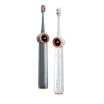
 Best Overall
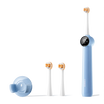
 Best Value
 Best for Sensitive Teeth
This article has been reviewed by an oral health professional for accuracy. It is intended to provide general educational information and should not be used as a substitute for personalized medical advice, diagnosis, or treatment. If you have questions or concerns about your oral health, please consult a dentist, physician, or other qualified healthcare provider.